Cosmetic dentistry offers several ways to improve the appearance of your smile, and two of the most popular options are dental bonding and veneers. While both can correct imperfections and enhance confidence, they work differently and suit different needs. Understanding how these treatments compare can help you choose the option that aligns best with your goals.
What Is Dental Bonding?
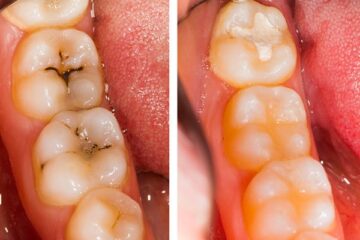
Dental bonding is a minimally invasive procedure that uses tooth-coloured composite resin to fix small imperfections. It can improve chips, cracks, gaps, discolouration, and uneven edges. The dentist shapes the resin directly onto the tooth, then hardens it with a special light. Bonding is known for being quick, affordable, and effective for subtle cosmetic improvements.
What Are Dental Veneers?
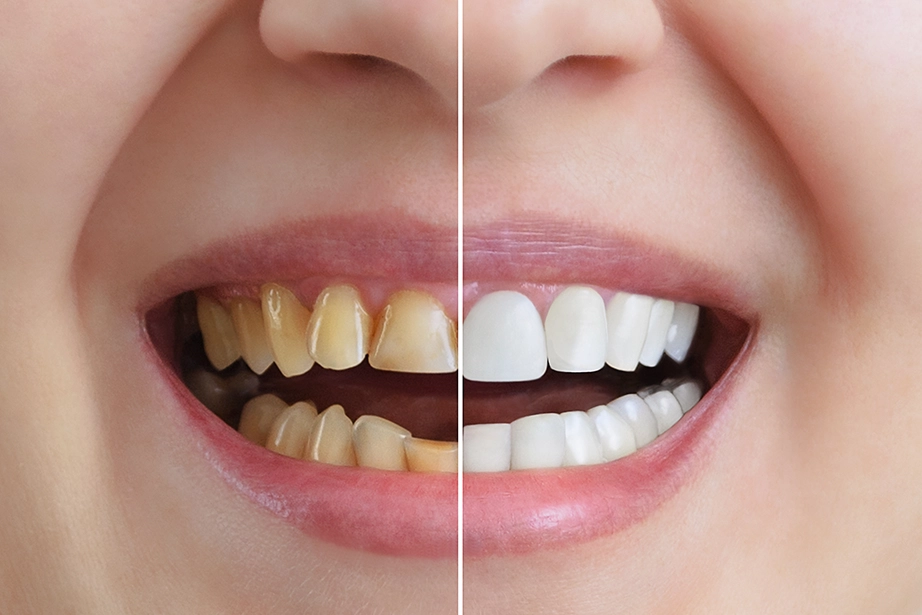
Dental veneers are thin porcelain or composite shells that are bonded to the front surface of the teeth. They are designed to improve shape, colour, and overall appearance, making them a common choice for smile makeovers. Veneers can correct issues such as severe discolouration, noticeable gaps, misshapen teeth, and surface irregularities. For those considering more comprehensive cosmetic changes, exploring options like dental bonding can also help you understand how both treatments fit into different smile goals.
Key Differences Between Dental Bonding and Veneers
Material and Durability
Bonding uses composite resin, which is strong but not as durable as porcelain. Veneers, especially porcelain ones, are more resistant to staining and typically last longer, making them suitable for long-term cosmetic enhancement.
Appearance and Finish
Porcelain veneers offer a high level of translucency and realism, closely mimicking natural enamel. Bonding provides a more subtle improvement and blends well with natural teeth, but the finish may not be as polished or lifelike as porcelain.
Procedure and Preparation
Dental bonding requires little to no enamel removal and can usually be completed in one appointment. Veneers require more preparation, including reshaping part of the tooth and multiple visits to achieve the final result. The difference in preparation makes veneers a more permanent commitment.
Cost Comparison
Bonding is generally more affordable upfront because it involves fewer materials and a simpler procedure. Veneers cost more due to their durability, custom fabrication, and longer lifespan. Many patients view veneers as a long-term investment in their smile.
Maintenance and Aftercare
Bonded teeth may need occasional touch-ups as resin can chip or stain over time. Veneers are stronger and more stain-resistant but still require good oral hygiene and care to maintain their appearance and function.
When to Choose Dental Bonding
Bonding is ideal for minor cosmetic imperfections, quick fixes, or situations where minimal alteration of the natural tooth is preferred. It’s also a great choice for patients who want a budget-friendly option or are not ready to commit to the permanence of veneers.
When to Choose Veneers
Veneers are better suited for more noticeable cosmetic concerns or when seeking a dramatic transformation. Their durability, natural appearance, and long-lasting results make them popular for full smile makeovers and significant aesthetic improvements.
Last Thoughts
Dental bonding and veneers both offer effective ways to enhance your smile, but they serve different purposes. Bonding is great for small enhancements and affordable improvements, while veneers provide a more comprehensive and durable cosmetic solution. Speaking with a dentist can help determine which treatment best fits your needs, your budget, and your long-term goals.
Keep an eye for more latest news & updates on Influencers Gone Wild!