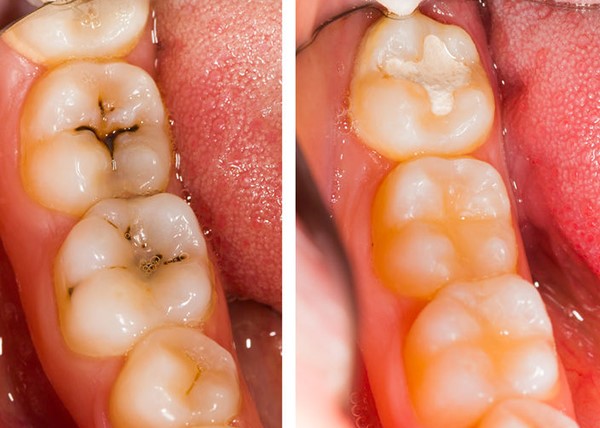
Dental fillings are one of the most common and effective treatments for repairing teeth affected by decay or minor damage. Many people will need at least one filling during their lifetime, and understanding why they are necessary can help you protect your long-term oral health. A filling restores strength to a tooth, prevents further decay, and helps maintain a healthy, comfortable smile.
What Is Dental Filling?
A dental filling is a restorative treatment used to repair a tooth that has been damaged by decay or wear. During the procedure, the decayed portion of the tooth is removed, and the space is filled with a durable material such as composite resin, amalgam, or glass ionomer. This restores the tooth’s structure, function, and appearance. Composite resin is the most commonly used option today because it blends naturally with your teeth.
How Cavities Develop
Cavities form when plaque, a sticky film of bacteria, builds up on your teeth. When you eat or drink sugary or acidic foods, the bacteria produce acids that attack the enamel. Over time, these acids can create small holes in the tooth surface. If not treated promptly, decay can progress deeper into the tooth, eventually affecting the dentine and even the nerve. Once decay reaches these layers, the damage becomes harder and more costly to treat.
Signs You May Need a Filling
There are several signs that may indicate you need a dental filling. Sensitivity to hot, cold, or sweet foods is a common early symptom. You may also notice pain when chewing or biting, or you might see dark spots or holes on your tooth. Sometimes a tooth may feel rough or chipped. In many cases, cavities cause no noticeable symptoms at all, which is why regular dental check-ups are essential for early detection.
Why Fillings Are Important
Fillings play a crucial role in stopping the progression of tooth decay. By removing the damaged portion of the tooth and sealing the area with a filling material, your dentist helps prevent decay from spreading deeper. This protects the tooth from infection, reduces the risk of fractures, and preserves as much natural tooth structure as possible. Fillings also restore your ability to chew comfortably and maintain a natural-looking smile. To learn more about when fillings are recommended, exploring dental fillings can provide helpful insight into how this treatment supports long-term oral health.
What Happens If You Don’t Get a Filling?
Leaving a cavity untreated can lead to several complications. The decay may spread into the inner layers of the tooth, causing severe pain and infection. Once bacteria reach the nerve, a root canal or extraction may be required. The tooth may also weaken and crack, making it more difficult to repair. Treating cavities early with a simple filling is far more comfortable, affordable, and effective than waiting until the problem becomes more serious.
What to Expect During a Filling Appointment
A filling appointment is usually quick and straightforward. Your dentist begins by numbing the area to ensure comfort. The decayed portion of the tooth is removed, and the cavity is cleaned thoroughly. The chosen filling material is then placed, shaped, and polished to match your natural tooth. Once complete, the tooth feels and functions as normal, often within the same day.
Types of Fillings and Their Benefits
There are several types of filling materials. Composite resin is tooth-coloured and offers a natural appearance, making it popular for visible areas. Amalgam fillings are strong and long-lasting, often used for back teeth, while glass ionomer fillings release fluoride and are helpful in cases of gum recession or early decay. Your dentist will recommend the best type depending on the location and size of the cavity.
Caring for Your Tooth After a Filling
Sensitivity is common for a few days after receiving a filling, especially to hot or cold foods. This usually improves quickly. Maintaining good oral hygiene is important to protect the tooth and prevent new decay. Brush twice daily, floss regularly, and avoid very hard foods that could damage the filling. If sensitivity persists or the filling feels high when biting, contacting your dentist ensures the issue is corrected promptly.
Preventing Future Fillings
Good daily habits can help reduce the need for future fillings. Use fluoride toothpaste, brush and floss consistently, and limit sugary snacks and drinks. Regular dental check-ups and professional cleans allow your dentist to detect early signs of decay and provide preventive treatments to protect your teeth.
Closing Thoughts
Dental fillings are essential for restoring damaged teeth and preventing more serious oral health problems. Treating decay early helps preserve your natural teeth, maintain comfort, and avoid the need for complex dental work. Regular check-ups and good daily care play a major role in keeping your teeth strong and healthy, reducing the likelihood of cavities in the future.
Keep an eye for more latest news & updates on Influencers Gone Wild!