In the world of modern manufacturing, time is one of the most valuable assets. When materials stall on the factory floor, the entire production chain suffers a costly ripple effect. Assembly lines wait on parts, bottlenecks form at packing stations, and shipping windows are missed.
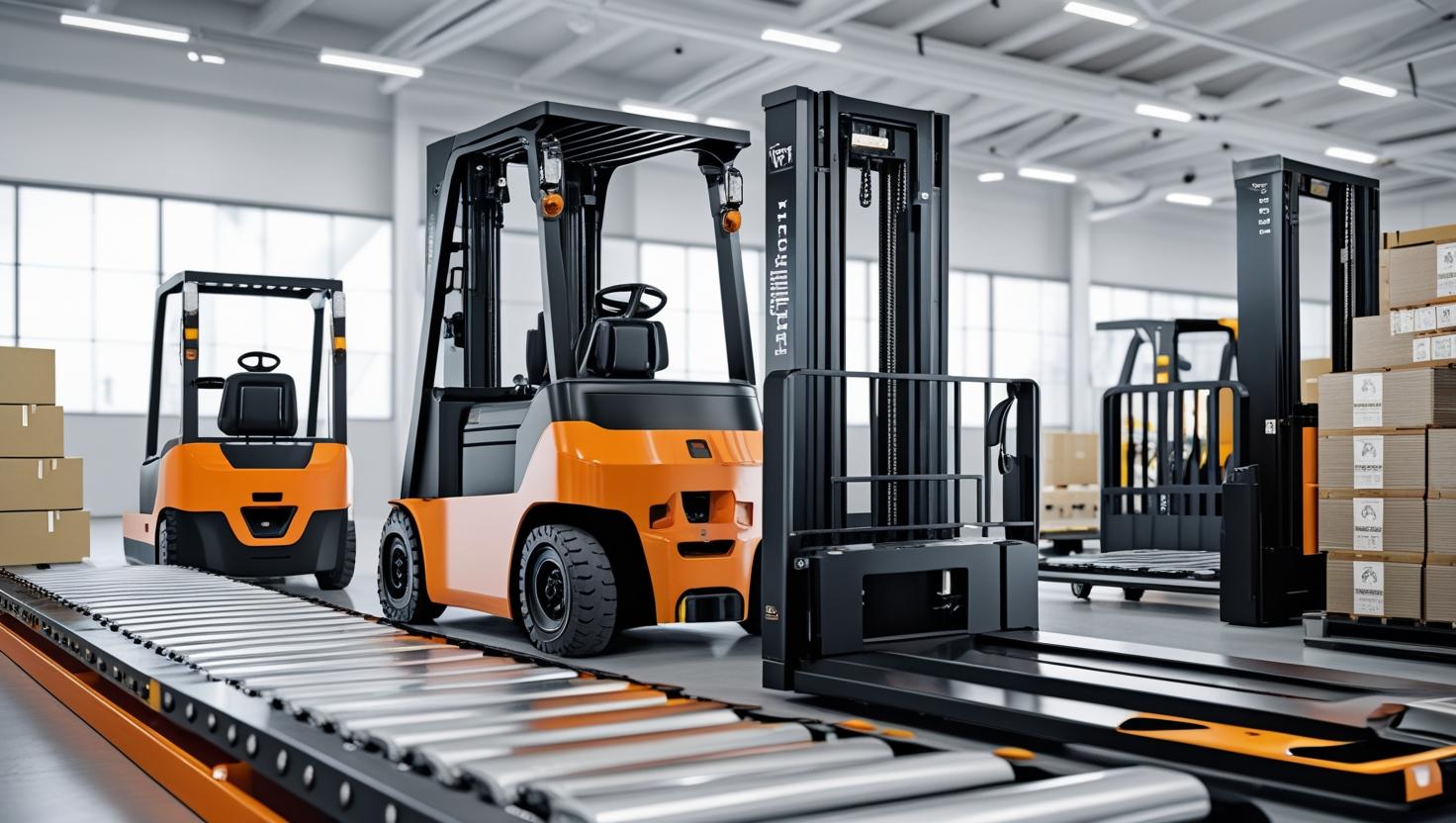
To maintain a competitive edge, successful facilities look beyond production machinery alone and focus on how goods move through their space. Material Handling Equipment (MHE)—ranging from forklifts and conveyors to automated guided vehicles—serves as the unsung hero of the manufacturing ecosystem. Here are ten ways implementing the right material handling equipment directly improves manufacturing efficiency.
1. Maximizing Floor Space Utilization
Factory floor real estate is incredibly expensive. Leaving materials disorganized or spread flat across the floor limits your operational footprint. Specialized MHE, such as narrow-aisle forklifts, reach trucks, and automated storage and retrieval systems (AS/RS), allows facilities to utilize vertical space effectively. By stacking materials higher and narrowing transit lanes, manufacturers can dramatically expand their inventory capacity without expanding the physical building.
2. Accelerating Production Speeds
Manual transport of heavy parts or raw components creates inherent lag times. Conveyor loops and automated transit systems ensure that items move continuously from one work cell to the next. By keeping the assembly line supplied with parts at an optimized, predictable pace, MHE eliminates empty transit cycles and drastically reduces total production lead times.
3. Minimizing Mechanical Downtime
A facility’s output is only as good as the machinery moving the goods. When heavy-duty conveyor systems or sortation loops handle constant, fluctuating loads, they require rugged mechanical drivetrain components to stay online. Integrating high-efficiency equipment driven by robust assemblies—such as advanced industrial drivetrains featuring specialized helical gear boxes—ensures high torque transmission and smoother, quieter operation. These heavy-duty components prevent unexpected motor strain and mechanical failure, keeping your automated lines running continuously through peak production seasons.
4. Enhancing Workplace Safety
Heavy lifting, repetitive bending, and awkward reaching are major drivers of workplace injuries and fatigue. Equipment like lift tables, pallet jacks, and overhead cranes take the physical burden off human operators. Reducing the physical strain on your workforce lowers accident rates, cuts down on worker compensation claims, and prevents the operational disruptions caused by sudden labor shortages.
5. Reducing Product and Material Damage
Manual handling increases the statistical likelihood of drops, spills, and collisions. Automated systems move delicate raw materials and completed products with precision. Conveyors with soft-start capabilities, automated sorting arms, and specialized forklift attachments ensure that components are moved gently, significantly slashing scrap rates and reworking costs.
6. Boosting Inventory Accuracy
Modern material handling equipment rarely works in isolation; it is frequently integrated with Warehouse Management Systems (WMS) and digital tracking technology. Forklifts equipped with mobile barcode scanners and conveyors featuring automated RFID sensors log inventory movements in real time. This immediate data entry eliminates manual logging errors, ensuring that production managers always have an accurate count of available stock.
7. Optimizing Labor Allocation
Human labor is highly valuable, meaning that assigning a skilled worker to push a cart across a massive facility is an inefficient use of resources. Automating repetitive point-to-point transit with Autonomous Mobile Robots (AMRs) or automated conveyor networks allows facilities to reassign personnel to higher-value roles, such as precision quality control, advanced assembly, or process optimization.
8. Streamlining Waste Management and Scrap Removal
Manufacturing processes naturally generate waste, whether it is metal shavings, cardboard packaging, or plastic scrap. Left unchecked, clutter blocks transit pathways and creates floor bottlenecks. Deploying dedicated chip conveyors, self-dumping hoppers, and automated waste balers ensures that manufacturing byproducts are cleared out of production zones immediately, keeping active workspaces clean and uninhibited.
9. Improving Process Scalability
When production volume spikes unexpectedly, a manual material handling framework will often buckle under the pressure, leading to chaotic staging areas and severe logistics delays. Modern modular material handling systems can be rapidly scaled up, reprogrammed, or rearranged to accommodate new product dimensions, changing line configurations, or increased target throughput.
10. Supporting Lean Manufacturing and Continuous Flow
Lean manufacturing relies heavily on minimizing waste and maintaining a fluid, continuous flow of goods. MHE supports Just-In-Time (JIT) delivery patterns by ensuring that raw parts arrive at specific workstations exactly when they are needed—neither too early to cause clutter nor too late to cause a stoppage.
Conclusion
Material handling equipment is far more than just structural hardware—it is a vital strategic link in modern industrial operations. By optimizing workflows, reducing physical friction, and protecting mechanical uptime, the right MHE transforms a disorganized factory floor into a synchronized, high-velocity manufacturing engine built for sustainable growth.