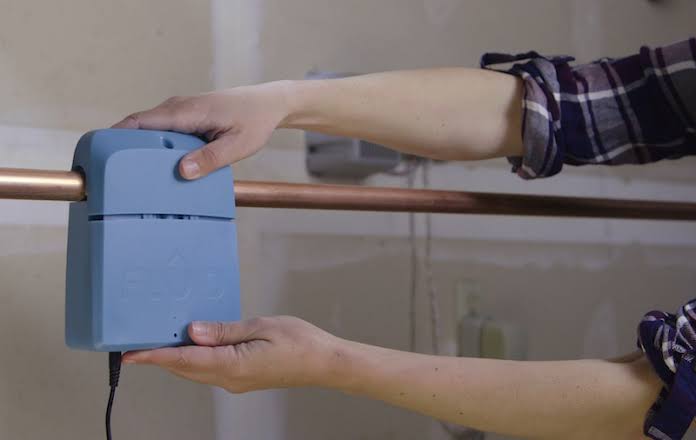
Water damage is one of the most common and expensive problems homeowners face. A small hidden leak behind a wall, under a sink, or near a water heater can slowly damage floors, furniture, electrical systems, and the structure of a home before anyone notices it. This is why many homeowners are now considering whole-home water leak detection and automatic shutoff systems.
These smart devices are designed to monitor your home’s water supply, detect unusual water flow, and automatically stop the water when a possible leak is found. While these systems can provide valuable protection, choosing and installing the right one requires careful planning.
Before investing in a whole-home water leak detection system, homeowners should understand their plumbing setup, installation requirements, sensor options, costs, maintenance needs, and limitations. A properly selected system can help prevent major damage, but the wrong installation can reduce its effectiveness.
Understand How Whole-Home Water Leak Detection Systems Work
A whole-home water leak detection system is installed on the main water supply line entering your property. Unlike basic leak sensors that only detect water in specific areas, these systems monitor water usage throughout the entire home.
Most modern systems use flow sensors, pressure monitoring, or smart technology to identify unusual patterns. For example, if your plumbing system normally uses small amounts of water during the night but suddenly detects continuous flow for several hours, the system may recognize this as a possible leak.
When a problem is detected, an automatic shutoff valve can close the home’s main water supply to reduce potential damage. Some systems also send alerts through smartphone apps, allowing homeowners to respond quickly even when they are away.
However, not every home has the same plumbing conditions, so several factors should be checked before installation.
Check Your Main Water Line Location
The first step is identifying where your home’s main water supply enters the property. The shutoff valve and monitoring device usually need to be installed near this point.
In many homes, the main water line is located in:
- Basements
- Utility rooms
- Garages
- Crawl spaces
- Exterior walls
The installation area should have enough space for the device and allow easy access for maintenance. A cramped location may make installation difficult or prevent future repairs.
Homeowners should also check whether the existing main shutoff valve is accessible and in good condition. If the valve is old, damaged, or difficult to operate, it may need replacement before adding a smart shutoff system.
Evaluate Your Plumbing System Type
Different homes have different plumbing layouts, and this can affect system compatibility.
Before buying a device, check:
- Pipe material
- Pipe size
- Water pressure
- Plumbing configuration
- Available installation space
Common residential pipe materials include copper, PVC, PEX, and galvanized steel. Most modern leak detection systems support common plumbing types, but confirming compatibility prevents installation issues.
Older homes may require additional plumbing work before installation. For example, outdated pipes with corrosion or weak connections may need repairs because a smart shutoff system cannot fix existing plumbing problems.
Decide Between Professional Installation and DIY Installation
Some leak detection systems are designed for homeowners who prefer DIY installation, while others require professional plumbing work.
A professional installer can help with:
- Cutting and connecting water lines
- Installing shutoff valves correctly
- Testing water pressure
- Checking for leaks after installation
- Ensuring local plumbing code compliance
DIY installation may reduce upfront costs, but mistakes can create serious problems. Incorrect connections may cause leaks, reduced water pressure, or failure during an emergency.
For homes with complicated plumbing layouts, multiple water lines, or older systems, professional installation is usually the safer option.
Consider Power and Internet Requirements
Many smart leak detection systems require electricity and internet connectivity to provide advanced features.
Before installation, check:
- Is there a nearby power outlet?
- Does the system have battery backup?
- Will Wi-Fi coverage reach the installation location?
- Can alerts still work during power outages?
A system that loses power during a storm or electrical failure may not provide full protection unless it includes backup features.
Some advanced models include cellular communication or battery backup, which can be useful for vacation homes or properties that remain empty for long periods.
Choose the Right Sensor Coverage
Whole-home systems usually monitor the main water supply, but additional sensors can provide extra protection in high-risk areas.
Common locations for additional sensors include:
- Under kitchen sinks
- Near washing machines
- Around water heaters
- Behind toilets
- Near dishwashers
- In basements
A main valve system can detect unusual water flow, but a small sudden leak may not always trigger an alert immediately. Additional sensors can provide faster detection in specific areas.
The best setup often combines whole-home monitoring with targeted sensors in vulnerable locations.
Check Water Usage Monitoring Features
Many modern systems provide detailed water usage information through mobile apps. This feature can help homeowners understand daily consumption and identify unusual patterns.
Useful monitoring features include:
- Daily water usage reports
- Leak history
- Flow rate information
- Temperature alerts
- Remote shutoff control
These features are not only helpful for preventing damage but can also reveal inefficient plumbing fixtures or excessive water consumption.
For example, a constantly running toilet may waste hundreds of gallons of water before becoming obvious. A smart monitoring system may detect this unusual flow pattern early.
Understand False Alarms and Detection Settings
No technology is perfect, and homeowners should understand how detection settings work.
A system that is too sensitive may shut off water during normal activities such as:
- Filling a bathtub
- Running irrigation systems
- Using appliances simultaneously
A system with adjustable settings allows homeowners to customize detection based on their lifestyle.
Before installation, consider your household habits and choose a system that can learn normal water usage patterns instead of reacting to every change.
Review Maintenance Requirements
Like any home protection device, a leak detection system requires occasional maintenance.
Homeowners should regularly check:
- Battery levels
- Sensor connections
- App notifications
- Valve operation
- System updates
It is also important to test the automatic shutoff function according to the manufacturer’s recommendations. A system that has never been tested may fail when it is needed most.
Consider Long-Term Value and Protection
The cost of installing a whole-home water leak detection system depends on the device, installation complexity, and additional sensors. While it may seem like an unnecessary expense, it can help protect against costly repairs.
Water damage can lead to:
- Mold growth
- Flooring replacement
- Wall repairs
- Furniture damage
- Structural issues
For many homeowners, the ability to stop a leak quickly provides valuable peace of mind.
Some insurance companies may also offer discounts for approved water protection systems, although policies vary. Homeowners should check with their insurance provider to understand possible benefits.
Final Thoughts
A whole-home water leak detection and automatic shutoff system can be a smart investment for protecting your property from unexpected water damage. However, successful installation depends on choosing the right system, understanding your plumbing setup, and planning the installation carefully.
Before purchasing, check your main water line location, pipe compatibility, power requirements, sensor needs, installation method, and maintenance expectations. A well-installed system does more than detect leaks; it helps homeowners respond faster and reduce the risk of expensive repairs.
As smart home technology continues to improve, these systems are becoming an important part of modern home protection, helping homeowners create safer, more efficient, and better-managed living spaces.