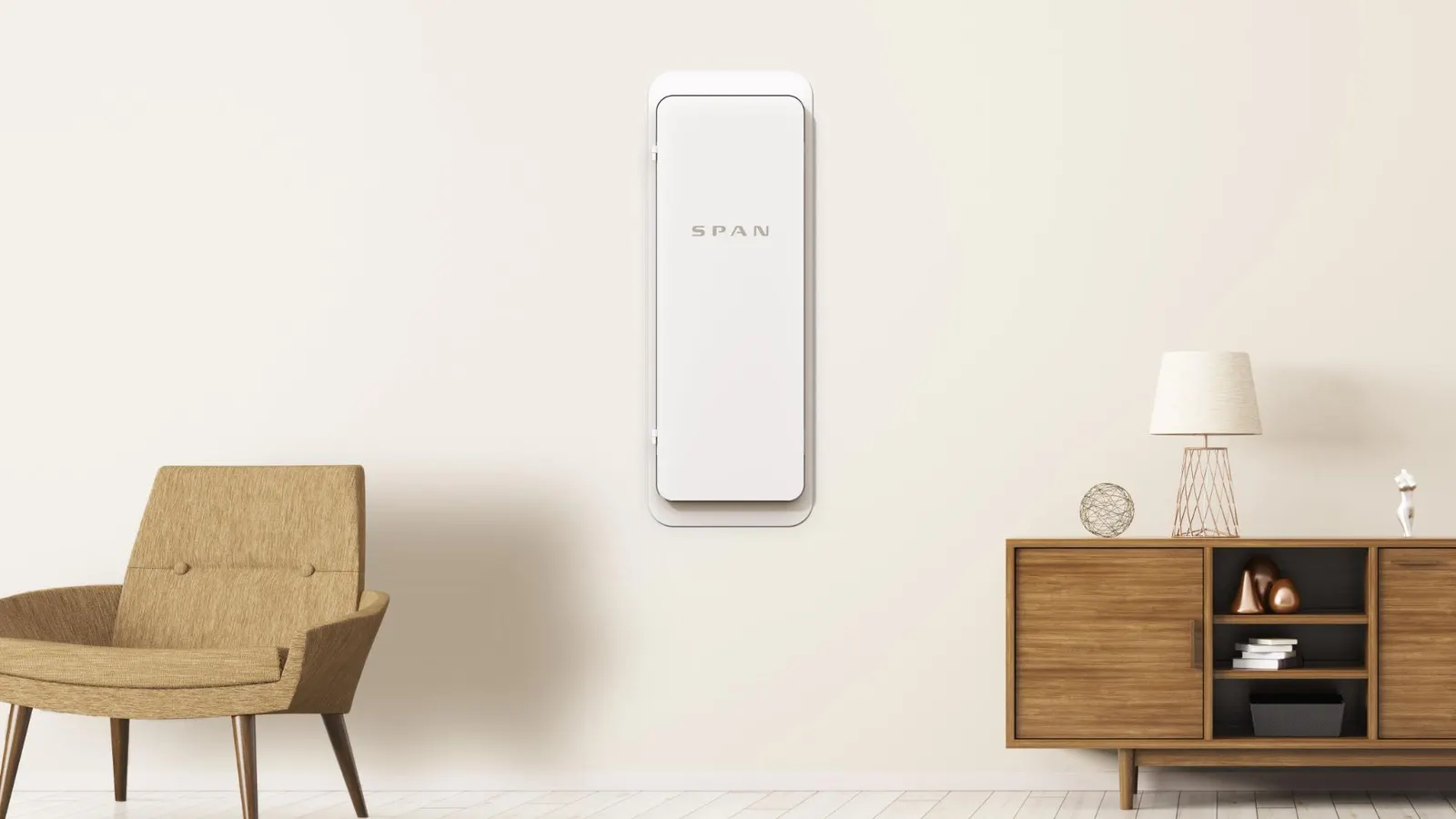
The electrical panel is one of the most important systems in any home, but many homeowners rarely think about it until there is a problem. Hidden behind a metal door in a garage, basement, or utility area, the electrical panel controls how power flows throughout the entire house. For decades, traditional breaker boxes have handled this job reliably. However, as homes become more connected with smart devices, solar systems, electric vehicles, and energy monitoring technology, smart electrical panels are becoming a popular upgrade option.
The question is not simply whether smart electrical panels are newer. The real question is whether they provide enough practical benefits to justify replacing a traditional breaker box. The right choice depends on your home’s age, energy needs, future plans, budget, and how much control you want over electricity usage.
What Is a Traditional Breaker Box?
A traditional breaker box, also known as a standard electrical panel or circuit breaker panel, distributes electricity from the main power supply to different circuits throughout your home. Each circuit has a breaker that protects wiring and appliances from overloads.
When too much electricity flows through a circuit, the breaker automatically switches off to prevent overheating and potential electrical fires.
Traditional electrical panels have been used for many years because they are simple, reliable, and relatively affordable. Most homeowners only interact with them when resetting a tripped breaker or when an electrician performs maintenance.
However, traditional panels provide limited information. They can tell you if a circuit has shut off, but they usually cannot show how much electricity each appliance or area of the home is using.
What Is a Smart Electrical Panel?
A smart electrical panel performs the same basic function as a traditional breaker box but adds digital monitoring, automation, and energy management features.
Instead of only distributing electricity, smart panels can track energy consumption, identify unusual usage patterns, and allow homeowners to control certain circuits through mobile apps or connected systems.
Depending on the model, smart electrical panels may offer features such as:
- Real-time electricity monitoring
- Remote circuit control
- Energy usage reports
- Integration with solar systems
- Battery storage compatibility
- Electric vehicle charger management
- Backup power optimization
- Alerts for unusual electrical activity
These features make smart panels attractive for homeowners who want more control over their home’s energy system.
Smart Electrical Panels vs Traditional Breaker Boxes: Main Differences
The biggest difference between these two systems is information and control.
A traditional breaker box mainly acts as a safety device. It protects circuits and allows electricity to flow properly. A smart electrical panel adds a layer of intelligence by showing homeowners how electricity is being used and helping manage energy consumption.
For example, with a traditional panel, you may notice a high electricity bill but have no idea which appliances are responsible. A smart panel can provide detailed usage information, helping identify energy waste.
Another major difference is automation. Traditional panels require manual operation, while smart panels can automatically prioritize important circuits during power outages or limited energy situations.
Energy Monitoring and Cost Savings
One of the biggest reasons homeowners consider smart electrical panels is energy efficiency.
Many households today use more electricity than ever before because of:
- Home offices
- Multiple smart devices
- Electric vehicles
- Heat pumps
- Air conditioning systems
- Home entertainment equipment
Without monitoring, it can be difficult to understand where energy is going.
Smart panels can show electricity consumption patterns and help homeowners make informed decisions. For example, you may discover that certain appliances consume significant power overnight or that a heating system is running inefficiently.
However, it is important to understand that a smart panel does not automatically reduce electricity bills. It provides information and control, but savings depend on how homeowners respond to that information.
Compatibility With Solar Panels and Battery Storage
Modern energy systems are changing how homes use electricity. Many homeowners are installing solar panels and battery storage systems to reduce dependence on the traditional power grid.
Smart electrical panels can make these systems easier to manage.
During a power outage, a smart panel can help prioritize essential circuits such as:
- Refrigerators
- Medical equipment
- Internet systems
- Lighting
- Heating or cooling systems
Instead of powering the entire home, which may quickly drain a battery system, the panel can manage energy usage more efficiently.
Traditional breaker boxes can work with solar and battery systems, but they usually require additional equipment and manual management.
Electric Vehicle Charging Considerations
Electric vehicles are becoming more common, and charging them at home adds a significant electrical demand.
A traditional electrical panel may not have enough capacity for an EV charger, especially in older homes. In some cases, homeowners may need a panel upgrade before installing one.
Smart electrical panels can help manage EV charging by balancing electricity demand. For example, the system may schedule vehicle charging during lower-cost hours or reduce charging speed when other high-energy appliances are operating.
For homeowners planning to purchase an electric vehicle, a smart panel may provide better long-term flexibility.
Installation Costs and Practical Considerations
Cost is one of the biggest differences between traditional and smart electrical panels.
A standard electrical panel replacement is usually less expensive because the technology is simpler and most electricians are familiar with installation procedures.
Smart electrical panels typically cost more because they include advanced hardware, software features, and monitoring technology.
The total cost depends on factors such as:
- Home electrical capacity
- Existing wiring condition
- Labor requirements
- Brand and features
- Additional upgrades needed
For some homeowners, the extra investment makes sense because they are planning multiple upgrades, such as solar installation, EV charging, or whole-home automation.
For others, a traditional panel replacement may be the more practical choice.
When a Traditional Breaker Box Is Still the Better Option
Smart technology is not always necessary. A traditional breaker box may be the better option if:
- Your home has simple electricity needs
- You are not installing solar or battery storage
- You do not need detailed energy tracking
- Your budget is limited
- Your current electrical system works safely
A properly installed traditional electrical panel can continue providing reliable service for many years.
Technology should solve a real problem, not simply be added because it is new.
When a Smart Electrical Panel Makes More Sense
A smart electrical panel may be worth considering if:
- You are building a new home
- You are renovating an older property
- You want better energy visibility
- You have solar panels
- You plan to install an EV charger
- You want automated backup power management
- You are creating a smart home ecosystem
Homes with higher energy demands often benefit the most from intelligent electrical management.
Future of Home Electrical Systems
The way people use electricity is changing. Homes are becoming more connected, and energy systems are becoming more complex. In the future, electrical panels may play a larger role in automatically managing power based on pricing, weather conditions, renewable energy availability, and household habits.
Smart electrical panels are part of a broader shift toward smarter and more efficient homes. They are not a requirement for every property today, but they represent where residential energy management is heading.
Final Thoughts: Which Upgrade Makes More Sense?
Choosing between a smart electrical panel and a traditional breaker box depends on your home’s current needs and future goals.
Traditional breaker boxes remain a dependable and cost-effective solution for many households. They provide essential electrical protection and have proven reliability.
Smart electrical panels offer additional control, monitoring, and future compatibility with modern technologies like solar energy, battery storage, and electric vehicles.
For homeowners planning long-term upgrades or looking for better control over energy usage, a smart panel can be a valuable investment. For those who simply need safe and reliable electricity distribution, a traditional breaker box may still be the right choice.
The best electrical upgrade is not always the most advanced one. It is the system that matches your home’s needs, lifestyle, and future plans.