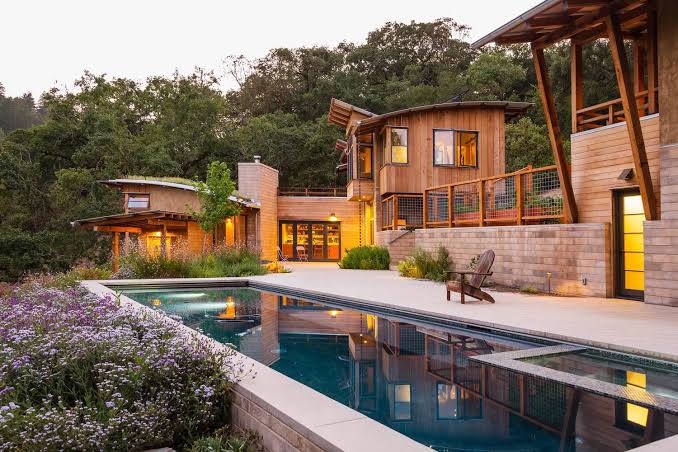
Home renovation is no longer only about improving appearance and comfort. Many homeowners today are also thinking about how their choices affect the environment, energy consumption, and long-term living costs. Sustainable home improvement focuses on using materials that are responsibly sourced, durable, energy-efficient, and healthier for indoor spaces.
Choosing eco-friendly materials does not mean sacrificing style or quality. Modern sustainable products are available in a wide range of designs, finishes, and price points. Whether you are updating a small room, replacing old flooring, remodeling a kitchen, or planning a complete house renovation, selecting the right materials can reduce waste, improve efficiency, and increase the value of your home.
Understanding which materials are genuinely sustainable can be challenging because many products are marketed as “green” without providing real environmental benefits. This guide explains some of the best sustainable home improvement materials and how they can be used in renovation projects.
What Makes a Home Improvement Material Sustainable?
A sustainable building material is not simply a product labeled as environmentally friendly. Several factors determine whether a material is a responsible choice.
A sustainable material usually has:
- Low environmental impact during production
- Responsible sourcing methods
- Long lifespan and durability
- Ability to be recycled or reused
- Low chemical emissions
- Better energy efficiency benefits
- Reduced waste during installation
The goal is to choose materials that perform well while minimizing harm to natural resources.
Bamboo Flooring: A Renewable Alternative to Traditional Wood
Bamboo has become a popular sustainable flooring option because it grows much faster than traditional hardwood trees. While hardwood forests can take decades to regenerate, bamboo can mature within a few years, making it a renewable resource.
Bamboo flooring provides a similar appearance to traditional wood and is available in various colors and styles. It is also known for its strength and resistance to daily wear when properly manufactured.
However, homeowners should choose high-quality bamboo products from responsible manufacturers. Poor-quality bamboo flooring may use excessive adhesives or have lower durability.
Bamboo works well for:
- Bedrooms
- Living areas
- Home offices
- Hallways
It offers a natural look while reducing dependence on slow-growing timber resources.
Reclaimed Wood for Unique and Sustainable Designs
Reclaimed wood is one of the most environmentally friendly materials available for renovation projects. Instead of cutting down new trees, reclaimed wood gives old materials a second life.
This type of wood can come from old buildings, barns, warehouses, and previously used structures. It often features unique textures, natural aging, and character that new wood cannot replicate.
Homeowners commonly use reclaimed wood for:
- Accent walls
- Flooring
- Ceiling designs
- Furniture
- Shelving
- Decorative features
Besides reducing waste, reclaimed wood creates a warm and timeless appearance. Before installation, it should be properly treated and inspected to ensure it is free from pests, chemicals, or structural issues.
Recycled Metal for Modern Renovation Projects
Recycled metals such as aluminum and steel are valuable sustainable materials because they can often be recycled multiple times without losing quality.
Metal is commonly used in:
- Roofing systems
- Kitchen backsplashes
- Light fixtures
- Stair railings
- Structural components
Steel roofing, for example, can last much longer than many traditional roofing materials and may improve durability in areas with extreme weather conditions.
Using recycled metal helps reduce the demand for new mining and lowers the energy required for manufacturing compared to producing completely new materials.
Natural Stone With Responsible Sourcing
Natural stone such as granite, slate, and limestone can be sustainable when sourced responsibly. These materials are extremely durable, meaning they often last for decades and do not require frequent replacement.
Stone can be used for:
- Countertops
- Flooring
- Bathroom surfaces
- Outdoor areas
Because natural stone has a long lifespan, it can reduce the need for future renovations and replacements.
However, transportation distance matters. Locally sourced stone is often a better environmental choice because it reduces emissions associated with shipping.
Recycled Glass Countertops
Recycled glass countertops are an innovative alternative to traditional countertop materials. These surfaces are created using recycled glass pieces combined with a binding material to create durable and attractive designs.
They are available in many colors and styles, making them suitable for modern kitchens and bathrooms.
Benefits include:
- Uses recycled materials
- Reduces landfill waste
- Provides a unique appearance
- Requires relatively low maintenance
For homeowners looking for a distinctive kitchen upgrade, recycled glass countertops can provide both sustainability and visual appeal.
Low-VOC Paint for Healthier Indoor Spaces
Paint is one of the easiest materials to replace during a renovation, but it can have a major impact on indoor air quality.
Traditional paints may release volatile organic compounds (VOCs), which are chemicals that can affect indoor air quality for months after application.
Low-VOC and zero-VOC paints are designed to reduce these emissions. They are a better option for:
- Bedrooms
- Nurseries
- Living rooms
- Home offices
Eco-friendly paints are now available in many colors and finishes, allowing homeowners to create beautiful interiors without unnecessary chemical exposure.
Energy-Efficient Windows and Doors
Although windows and doors are not always considered traditional “materials,” they play an important role in sustainable renovation.
Older windows often allow heat loss during winter and unwanted heat entry during summer. Replacing them with energy-efficient options can reduce heating and cooling costs.
Sustainable window choices include:
- Double or triple-glazed glass
- Low-emissivity coatings
- Recycled frame materials
- Energy-efficient designs
These improvements can make a home more comfortable while lowering energy consumption.
Cork Materials for Flooring and Wall Applications
Cork is another renewable material gaining popularity in eco-friendly renovations. It comes from the bark of cork oak trees, which can be harvested without cutting down the tree.
Cork offers several advantages:
- Renewable source
- Natural insulation properties
- Comfortable underfoot
- Sound-reducing qualities
It can be used for flooring, wall panels, and decorative applications.
Because cork naturally resists moisture and insects, it can be a practical choice for certain areas of the home.
Recycled and Reclaimed Building Materials
Many renovation projects create unnecessary waste because old materials are removed and discarded. Choosing recycled or reclaimed materials can help reduce this problem.
Examples include:
- Recycled bricks
- Reclaimed tiles
- Reused doors
- Salvaged fixtures
- Recycled insulation materials
These materials often add personality to a home while reducing the environmental impact of construction.
Sustainable Insulation Options
Insulation is one of the most important parts of an energy-efficient home. Good insulation reduces the need for excessive heating and cooling.
Eco-friendly insulation options include:
- Cellulose insulation made from recycled paper
- Sheep wool insulation
- Cotton insulation
- Recycled denim insulation
These materials help regulate indoor temperatures and improve energy efficiency.
Choosing Sustainable Materials for Your Renovation
The best sustainable renovation strategy is not always choosing the most expensive eco-friendly products. Instead, focus on durability, efficiency, and responsible purchasing decisions.
Before buying materials, consider:
- How long will the product last?
- Can it be repaired or recycled?
- Where was it produced?
- Does it improve energy efficiency?
- Does it contain harmful chemicals?
- Is it suitable for your climate?
A material that lasts 50 years is often more sustainable than a cheaper product that needs replacement every few years.
Final Thoughts
Sustainable home improvement materials allow homeowners to create beautiful, comfortable, and environmentally responsible spaces. From bamboo flooring and reclaimed wood to low-VOC paints, recycled materials, and energy-efficient upgrades, there are many ways to make renovation projects greener.
The most effective eco-friendly renovations focus on long-term value rather than short-term savings. By choosing durable materials, reducing waste, and improving energy efficiency, homeowners can create spaces that benefit both their families and the environment.
A sustainable renovation is not just about following a trend. It is about making thoughtful choices that create healthier homes and a more responsible future.