Choosing the right wood for an outdoor project is not just about appearance. Decks, fences, pergolas, garden structures, and outdoor furniture are constantly exposed to rain, sunlight, humidity, insects, and temperature changes. A wood type that performs well indoors may quickly deteriorate when used outside.
Two common options for outdoor construction are pressure-treated lumber and naturally rot-resistant wood. Both can provide long-lasting performance, but they have different characteristics, maintenance requirements, costs, and ideal applications.
Understanding the differences between these materials helps homeowners, builders, and DIY enthusiasts choose a solution that matches their budget, design goals, and expected lifespan.
What Is Pressure-Treated Lumber?
Pressure-treated lumber is regular wood that has been treated with chemical preservatives designed to protect it from decay, fungi, and insect damage. The treatment process forces preservatives deep into the wood fibers using pressure, creating a protective barrier against common outdoor threats.
Most pressure-treated lumber is made from softwoods such as southern yellow pine, which are affordable, widely available, and easy to work with.
During treatment, the wood is placed inside a chamber where air is removed and chemical preservatives are pushed into the wood under high pressure. This process improves the wood’s resistance to moisture-related problems compared to untreated lumber.
Pressure-treated lumber is commonly used for:
- Deck framing
- Fence posts
- Raised garden beds
- Outdoor stairs
- Pergolas
- Structural supports
- Retaining walls
Its popularity comes from its combination of affordability, availability, and reasonable durability.
What Is Naturally Rot-Resistant Wood?
Naturally rot-resistant wood contains natural oils, chemicals, or dense structures that help protect it from moisture, insects, and fungal decay. These properties are part of the wood itself rather than added through chemical treatment.
Popular naturally durable wood species include:
- Cedar
- Redwood
- Ipe
- Teak
- Cypress
- Black locust
These woods have been used for outdoor construction for generations because they can withstand harsh environmental conditions without requiring chemical preservatives.
Natural rot-resistant woods are often chosen for visible outdoor projects where appearance is an important factor.
Common uses include:
- Premium decking
- Outdoor furniture
- Decorative fencing
- Garden structures
- Luxury landscaping projects
- Exterior architectural details
Durability Comparison Between the Two Options
Both pressure-treated lumber and naturally rot-resistant wood can last for many years when installed and maintained correctly. However, their durability depends on the specific wood species, climate, installation quality, and exposure conditions.
Pressure-treated lumber generally performs well against:
- Soil contact
- Moisture exposure
- Termites
- Fungal decay
However, the outer surface may weather faster, especially if the wood is not properly sealed.
Naturally rot-resistant woods often have excellent long-term durability because their protective oils remain within the wood. Some species, such as ipe and teak, can last decades with minimal structural deterioration.
However, not all natural woods are equal. Cedar, for example, is naturally resistant but softer than tropical hardwoods and may dent or scratch more easily.
Cost Differences
Budget is one of the biggest factors when choosing outdoor lumber.
Pressure-treated lumber is usually the more affordable option. It is available at most home improvement stores and is commonly used for large projects where material costs can quickly add up.
For example, building a large deck frame with pressure-treated lumber can significantly reduce the overall project cost.
Naturally rot-resistant woods are usually more expensive. Tropical hardwoods such as ipe can cost several times more than standard pressure-treated lumber due to their durability, appearance, and limited availability.
However, the higher upfront cost may be justified for homeowners who want:
- Longer lifespan
- Premium appearance
- Lower replacement frequency
- Higher property appeal
The best choice depends on whether the priority is initial affordability or long-term investment.
Maintenance Requirements
Maintenance plays an important role in how outdoor wood performs over time.
Pressure-treated lumber typically requires regular maintenance to maintain its appearance and protection. Applying a quality exterior stain or water-resistant sealer can help reduce:
- Cracking
- Splitting
- Moisture absorption
- Surface fading
Without maintenance, pressure-treated wood can develop a gray appearance, surface checking, and minor deterioration.
Naturally rot-resistant wood generally requires less protection against decay, but maintenance may still be needed for appearance.
Many homeowners allow natural woods to develop a silver-gray weathered look. Others prefer maintaining the original color through cleaning and protective finishes.
Even durable woods benefit from occasional cleaning to remove dirt, algae, and surface buildup.
Appearance and Design Considerations
The visual difference between these materials is another important factor.
Pressure-treated lumber usually has a greenish or brownish tone when new because of the treatment process. Over time, it naturally changes color unless stained.
While modern pressure-treated lumber looks better than older versions, it is usually selected more for function than luxury appearance.
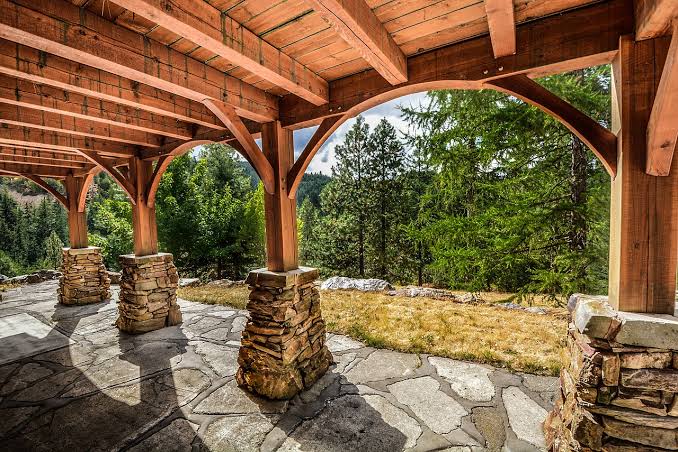
Naturally rot-resistant woods often provide richer colors and unique grain patterns. Cedar offers warm tones, redwood has a distinctive reddish appearance, and tropical hardwoods provide deep colors with a premium finish.
For projects where the wood remains highly visible, such as a backyard deck or outdoor seating area, appearance may influence the decision.
Environmental Considerations
Environmental impact is becoming an important factor in building material decisions.
Pressure-treated lumber uses chemical preservatives to improve durability. Modern treatment methods are regulated and designed for safe construction use, but homeowners should still follow handling recommendations, especially when cutting or disposing of treated wood.
Naturally durable wood avoids chemical treatment but may come from slow-growing species or distant regions, especially tropical hardwoods. Responsible sourcing and certification can help ensure better environmental practices.
Locally available wood species are often a more sustainable choice because transportation impacts are reduced.
Which Option Is Better for Different Projects?
There is no single best material for every outdoor project.
Pressure-treated lumber is often the better choice for:
- Deck foundations and framing
- Fence posts
- Budget-friendly outdoor structures
- Large construction projects
- Areas where wood is not highly visible
Naturally rot-resistant wood may be better for:
- Premium decks
- Outdoor furniture
- Decorative features
- High-end landscaping
- Projects where appearance matters
Many professional builders use a combination approach. For example, they may use pressure-treated lumber for hidden structural components and naturally durable wood for visible surfaces.
Common Mistakes When Choosing Outdoor Wood
Many homeowners focus only on the wood type and overlook other important factors.
Some common mistakes include:
Installing Wood Too Close to Soil
Even durable wood can fail when constantly exposed to wet soil. Proper drainage and installation methods are essential.
Ignoring End Grain Protection
Cut ends absorb moisture quickly. Applying appropriate end-grain protection can improve durability.
Skipping Proper Spacing
Deck boards and outdoor structures need airflow. Tight spacing can trap moisture and accelerate decay.
Choosing Based Only on Price
The cheapest material may require more maintenance or earlier replacement. Considering the full lifetime cost often leads to better decisions.
Final Thoughts
Pressure-treated lumber and naturally rot-resistant wood both have important advantages for outdoor projects. Pressure-treated lumber offers affordability, availability, and reliable protection, making it a practical choice for many structural applications. Naturally resistant woods provide beauty, durability, and premium performance for homeowners willing to invest more upfront.
The right choice depends on the project’s purpose, budget, desired appearance, local climate, and maintenance expectations. By understanding how each material performs, homeowners can build outdoor spaces that remain strong, attractive, and functional for many years.