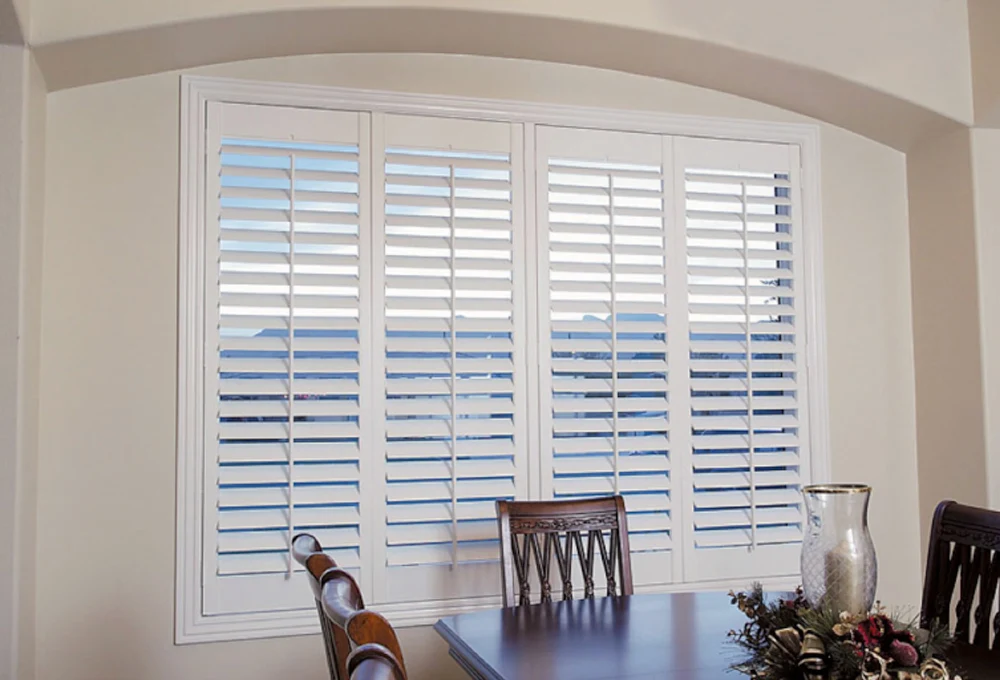
Choosing blinds for your windows might seem like a simple decorating decision, but there is more to it than picking a colour you like. The right blinds can influence privacy, natural light, comfort, energy efficiency, and the overall appearance of a room. With so many styles and materials available, taking a little time to consider your needs can help you make a practical and attractive choice.
Think About the Purpose of the Room
Every room has different requirements, so start by considering where the blinds will be installed. A bedroom may need better light control and privacy, while a living room might benefit from a design that allows plenty of daylight inside.
Kitchens and bathrooms also have specific needs because they can experience moisture, heat, and humidity. In these areas, choosing suitable materials can make cleaning and long-term maintenance easier.
Before making a decision, consider:
- How much sunlight enters the room
- The level of privacy required
- How frequently the window is used
- The room’s temperature and humidity
- How easy the blinds should be to clean
Thinking about these factors first can narrow down your choices considerably.
Consider the Amount of Natural Light
Natural light can make a home feel brighter, more spacious, and welcoming. However, too much sunlight can create glare or make certain rooms uncomfortably warm.
Different blinds provide different levels of light control. Light-filtering options allow some sunlight to enter while reducing glare, whereas blackout styles are designed to block much more incoming light.
For bedrooms, blackout blinds can be useful when you want a darker environment. In living areas, adjustable blinds can give you more flexibility throughout the day.
The ideal choice depends on how you use the room and how much natural light you want to maintain.
Choose a Style That Complements Your Décor
Blinds should work with your existing interior rather than looking disconnected from it. Consider your walls, flooring, furniture, and decorative accessories when selecting a style.
For a modern interior, simple blinds with clean lines can create a neat appearance. If your décor is warmer or more traditional, textured materials or softer colours may complement it better.
Neutral shades are particularly versatile because they can work with different colour schemes. However, a carefully selected colour can also become an attractive feature within an otherwise simple room.
The key is to choose something that you will enjoy seeing every day.
Pay Attention to Your Window Type
Not every blind is suitable for every type of window. Window size, frame design, opening mechanism, and available space can all affect your options.
This is particularly important when dealing with modern window frames. For homeowners with aluminium frames, options such as perfect fit blinds for aluminium windows can provide a neat solution designed around the window itself.
Considering the relationship between the blind and the frame can help create a cleaner appearance while ensuring that the window remains practical to operate. Always check product specifications and compatibility before ordering.
Think About Privacy
Privacy is another major consideration, especially for windows that face roads, neighbouring properties, or busy public areas.
Blinds can give you control over how much of your home is visible from outside. Adjustable slats, for example, can allow natural light into the room while reducing direct visibility.
For street-facing bedrooms and bathrooms, privacy may be more important than maintaining a completely open view. In other rooms, you may prefer a flexible option that allows you to enjoy outdoor views during the day.
Consider your home’s surroundings before selecting a particular design.
Consider Energy Efficiency
Window coverings can also play a supporting role in maintaining comfortable indoor temperatures. During sunny weather, blinds can help reduce direct solar heat entering a room. During colder periods, closed window coverings may help reduce the feeling of drafts around windows.
Although blinds should not be considered a replacement for proper insulation or efficient glazing, they can complement other measures designed to improve indoor comfort.
If certain rooms become particularly hot during the afternoon, consider blinds that offer effective light and solar control.
Select the Right Material
The material you choose can affect appearance, durability, cleaning, and performance.
Common choices include:
- Fabric
- Aluminium
- PVC
- Wood
- Composite materials
Fabric blinds can provide softness and visual warmth, while aluminium blinds can offer a more structured and contemporary appearance. Moisture-resistant materials may be preferable in bathrooms and kitchens.
Think about how much wear the blinds are likely to experience. A busy family room may require a different material from a quiet guest bedroom.
Consider Maintenance Requirements
No matter how attractive your blinds are, they will eventually collect dust and require cleaning. Before purchasing, find out how easy the chosen material is to maintain.
Smooth surfaces can generally be wiped clean relatively easily. Fabric blinds may require more careful cleaning depending on their construction.
If you have pets or children, you may also want to consider durability and ease of maintenance. Choosing a practical material can save time and effort in the long term.
Don’t Forget Accurate Measurements
Correct measurements are essential for achieving a professional-looking result. Blinds that are too large, too small, or incorrectly fitted may affect both appearance and functionality.
Follow the manufacturer’s measuring instructions carefully and measure more than once to confirm your figures. Pay attention to handles, hinges, vents, and other features that could interfere with the blind.
If you are unsure about measuring, professional assistance can help reduce the risk of ordering an unsuitable size.
Consider Your Budget
Price is naturally an important part of the decision. However, choosing the cheapest option is not always the most practical approach.
Think about the overall value of the product, including its materials, durability, maintenance requirements, and expected lifespan. A well-made blind that lasts for years may provide better value than a cheaper alternative that needs replacing sooner.
Set a realistic budget before shopping and compare options based on both cost and features.
Conclusion
Choosing the right blinds involves more than selecting an attractive colour or pattern. Consider your room’s purpose, light levels, privacy needs, window type, materials, maintenance, measurements, and budget. By balancing style with practicality, you can choose window coverings that complement your home while providing comfort, convenience, and lasting everyday functionality.