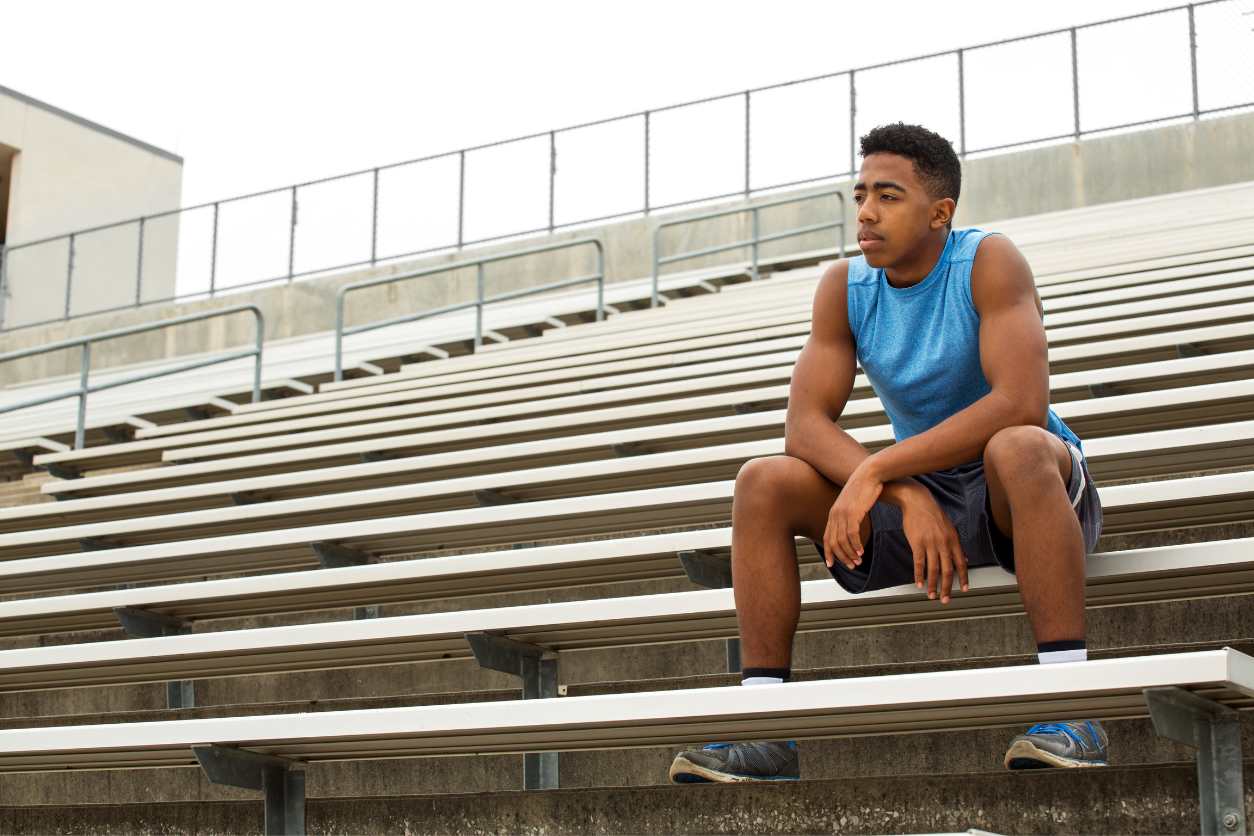
Juggling advanced classes, morning weight sessions, afternoon practices, and weekend travel games is a full-time job. For student athletes, the pressure to excel both on the field and in the classroom can quickly lead to burnout if approached without a clear strategy.
Natural talent might get you scouted, but daily discipline keeps you on the team and in the classroom. Building sustainable, high-impact habits transforms chaotic schedules into manageable routines, helping you boost athletic performance while keeping your GPA high. Here are six foundational habits every student athlete needs to master.
1. Mastering Time Management and Academic Balance
Quick Answer: Student athletes master academic balance by utilizing time-blocking, completing assignments during travel or study halls, and communicating proactively with teachers about game schedules.
The biggest challenge student athletes face isn’t physical exhaustion—it is time scarcity. When you spend 15 to 20 hours a week practicing, traveling, and competing, every free hour counts.
Effective student-athlete time management relies on planning ahead:
- Use Digital Calendars: Block out practice times, assignment deadlines, exam dates, and travel days at the start of every week.
- Capitalize on Micro-Windows: Use a 20-minute bus ride or study hall window to outline an essay or review flashcards rather than scrolling on social media.
- Proactive Communication: Inform teachers about upcoming game road trips at least a week in advance to arrange makeup exams or early assignment submissions.
2. Prioritizing Sleep as the Ultimate Performance Enhancer
Quick Answer: Quality sleep accelerates muscle recovery, improves reaction time, and sharpens cognitive focus, making 8 to 10 hours of nightly rest non-negotiable for student athletes.
Many student athletes treat sleep as a luxury, cutting into rest hours to finish late-night homework or play video games. However, sleep deprivation directly degrades physical performance, slowing sprint times, reducing accuracy, and increasing reaction latency.
During deep sleep, the body releases growth hormone to repair micro-tears in muscle tissue and consolidate physical motor skills learned during practice. Establishing a consistent sleep schedule—going to bed and waking up at the same time every day—keeps your body’s internal clock synchronized and speeds up physical recovery.
3. Fueling the Body with Strategic Nutrition and Hydration
Quick Answer: Peak athletic performance relies on balanced meal prepping, timing complex carbohydrates before training, and hydrating continuously throughout the day rather than just during practice.
You cannot run a high-performance vehicle on low-grade fuel. Skipping meals or relying on fast food leads to energy crashes during intense third-quarter play or late-afternoon study sessions.
Build these nutritional habits early:
- Continuous Hydration: Carry a reusable water bottle everywhere. Drink water consistently throughout the day rather than chugging a liter right before practice starts.
- Pre-Workout Fueling: Eat a light snack containing complex carbohydrates and lean protein (like an apple with peanut butter or oatmeal) 60 to 90 minutes before training.
- Post-Workout Recovery: Consume protein and healthy carbohydrates within 45 minutes after intense workouts to kickstart muscle repair.
4. Protecting the Body: Consistent Gear Maintenance and Safety Habits
Quick Answer: Proactive injury prevention involves daily gear checks, taping weak joints, and wearing proper protective gear during both practice and competition.
Injuries stall athletic progress faster than anything else. While some collisions are unavoidable, many common sports injuries stem from improper gear or skipping safety protocols during routine practice sessions.
Daily safety habits keep you in the game:
- Inspect Equipment Regularly: Check helmet pads, cleat traction, and joint braces for signs of wear before stepping onto the field.
- Protect Your Teeth and Smile: Facial impact injuries are widespread across high-intensity sports. Wearing a properly fitted sports mouth guard protects against dental trauma, lip lacerations, and jaw impacts across various disciplines—whether you play football, lacrosse, basketball, or field hockey. Inspecting your protective gear before every session ensures it functions when you need it most.
- Listen to Pain Warnings: Learn the difference between standard muscle soreness and sharp joint pain. Report minor aches to athletic trainers early before they escalate into season-ending injuries.
5. Developing Mental Toughness and Emotional Regulation
Quick Answer: Mental conditioning strengthens athletic performance through visualization, positive self-talk, and mindfulness practices that help athletes reset quickly after making mistakes.
Physical strength gets you into the game, but mental resilience determines how you perform under pressure. Developing a strong mindset enables you to bounce back after a missed shot, a bad call, or a disappointing test grade.
Integrating mental conditioning for sports into your daily routine builds emotional stability:
- The 5-Second Reset: Establish a physical trigger (like adjusting your wristband or taking a deep breath) to let go of a mistake and focus instantly on the next play.
- Visualization: Spend 5 minutes before bed mentally rehearsing plays, perfect execution, and calm responses under pressure.
- Focus on Process Over Results: Measure success by your preparation, effort, and execution rather than solely by the scoreboard or letter grades.
6. Common Pitfalls That Sabotage Student-Athlete Success
Recognizing common traps helps student athletes adjust their habits before habits turn into bad patterns:
| Common Misconception | The Reality | Better Habit to Build |
| “More training is always better.” | Overtraining without athletic recovery strategies leads to burnout and injury. | Schedule dedicated rest days and active recovery routines weekly. |
| “I can pull an all-nighter to study.” | Sleep deprivation reduces athletic reaction times by up to 30%. | Break study sessions into 30-minute daily blocks throughout the week. |
| “Practice is where I can relax safely.” | Over 60% of sports injuries occur during practice sessions rather than games. | Wear full protective gear and warm up with the same intensity for practice as games. |
7. The Student-Athlete Daily Habit Checklist
Use this quick checklist to audit your daily routine:
- [ ] Planner Check: Are today’s homework assignments, practice times, and study windows logged?
- [ ] Hydration Goal: Have you consumed half your body weight in ounces of water today?
- [ ] Gear Check: Is all required safety gear clean, fitted, and packed in your gym bag?
- [ ] Recovery Window: Did you get at least 8 hours of sleep last night?
- [ ] Mindset Reset: Did you take 5 minutes to mentally visualize your practice goals today?
Summary of Key Takeaways
Thriving as a student athlete isn’t about being perfect in every moment; it comes down to building repeatable daily habits that support your body, mind, and academic goals.
- Plan Your Time: Use calendars and travel windows to balance academics with athletics.
- Prioritize Recovery: Sleep 8 to 10 hours nightly and fuel your body with complex nutrients.
- Gear Up Safely: Inspect protective equipment daily to prevent avoidable injuries.
- Train Your Mind: Practice emotional regulation and visualization to stay calm under pressure.
By focusing on consistency over short-term intensity, you build a foundation that serves you far beyond high school or college athletics.